
Security
Tenant isolation and real permission enforcement.
The same scoping logic that protects your data is the logic that decides what every screen in the product shows.
How it's built
Six mechanisms, not six promises.
Each of these is a shipped part of the product, not a policy statement.
Tenant data isolationEvery record is scoped to a tenant at the data layer. There is no cross-tenant query path in the application.
Granular, permission-based accessFine-grained permissions rather than fixed seat types — enforced on the backend, not hidden in the UI.
Full audit logWho changed what, and when, recorded immutably and visible to the roles you grant access to it.
Encrypted in transit, cookie sessionsAll traffic runs over HTTPS. Sessions use httpOnly cookies rather than tokens in browser storage.
OAuth for every integrationMicrosoft and Google connections use each provider's own consent flow. Kora never sees those passwords.
Role changes take effect fastA permission change reaches an already-open session in seconds, not at the next sign-in.
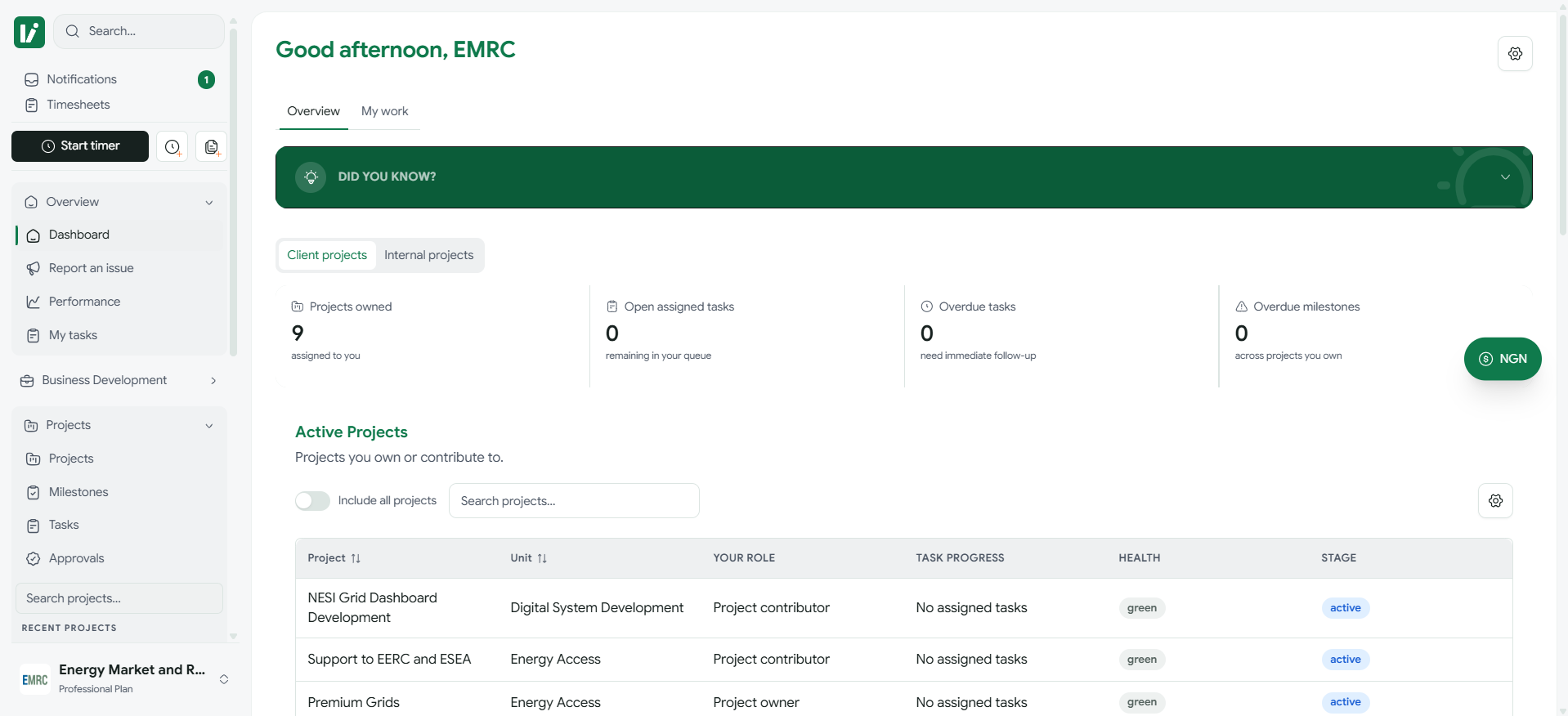
Permissions decide the page, not the other way round.
A department head opens the same screen as an executive and sees a different, correctly scoped set of records — because the query is scoped, not the layout.
What we don't claim
Kora does not currently hold a SOC 2 or ISO 27001 certification. When one is held, it will be named here with its report date — until then this page describes mechanisms we can point to in the product, and nothing else.
Security questionnaires
Send yours over. We'll answer it against the architecture directly rather than returning a generic vendor packet, and we'll tell you plainly where the answer is “not yet”.
Have a security review coming up?
We'll walk your security team through the architecture directly.
Contact us