
Why Kora
Access decided by permission, not by seat type.
Most tools sell you Admin, Member, and Viewer. Real organizations delegate authority far more precisely than that.
A department head should see their department. A BD contributor should see their own pipeline, not the company's weighted value. A finance reviewer should see rates a project manager shouldn't. Three fixed seat types can't express that, so teams end up sharing an admin login nobody wants to touch.
Kora enforces granular permissions at the query, not in the interface — so what a role can see is the same answer whether it comes from a screen, a report, or an export.
What that means in practice
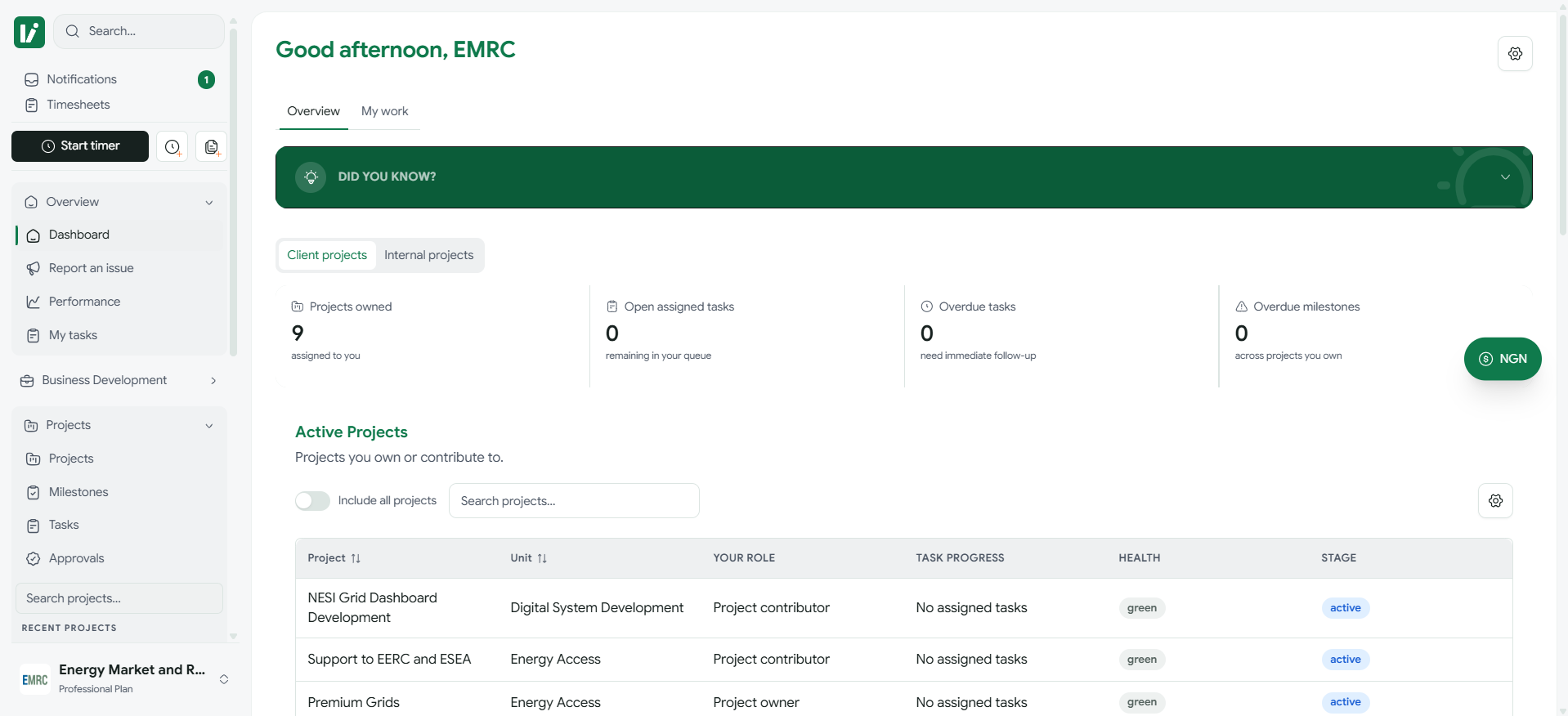
Same screen, different truth.
Two roles open the same page and each sees exactly the records they're entitled to, because the query is scoped.
Keep reading
The rest of the case.
See it against your own work
Bring a live project and we'll walk it through Kora end to end.
Request a demo